No products in the cart.


Tunisian Terroir Products / منتجات التراث التونسي
Discover the richness of local Tunisian products and their cultural significance.
اكتشف ثراء المنتجات المحلية التونسية وأهميتها الثقافية.

“Local products” or “products of the land” is a trendy expression in Tunisia. From large agri-food companies to small artisans, this label has become a major selling point.
“المنتجات المحلية” أو “منتجات الأرض” تعبير شائع جدًا في تونس. من شركات الأغذية الكبرى إلى الحرفيين الصغار، أصبح هذا التصنيف نقطة بيع رئيسية.
However, the term “terroir” is often overused, sometimes losing its original meaning.
ومع ذلك، غالبًا ما يُساء استخدام مصطلح “التروا”، مما يجعله يفقد معناه الأصلي أحيانًا.
Originating from France, “terroir” has few equivalents in nearby regions, though similar concepts exist in Spain (“productos de la tierra”) and Italy (“prodotti nostrali” or “prodotti tipici”).
مصطلح “التروا” أصله من فرنسا، ولا يوجد له مكافئ حقيقي في المناطق المجاورة، رغم وجود مفاهيم مشابهة في إسبانيا (“productos de la tierra”) وإيطاليا (“prodotti nostrali” أو “prodotti tipici”).
Definition / التعريف
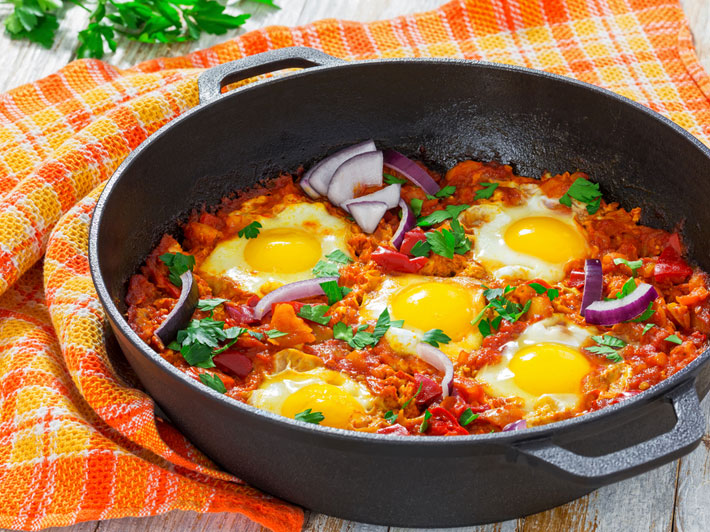
In Tunisia, such products are known as “beldi” (local) or “zemni” (traditional ancestral process).
في تونس، تُعرف هذه المنتجات بـ “بلدي” أو “زمني” أي الناتج عن عملية تقليدية وعريقة.
Terroir refers to a defined geographical space with specific cultural, social, and natural characteristics, influencing the uniqueness of its products.
يشير التروا إلى مساحة جغرافية محددة تتميز بخصائص ثقافية واجتماعية وطبيعية معينة، تؤثر على تفرد منتجاتها.
Historical Background / الخلفية التاريخية
The term “terroir” was first documented in 1229 and comes from the Latin “territorium.” Initially, it meant land or territory, later evolving to represent agricultural qualities and cultural identity.
تم توثيق مصطلح “التروا” لأول مرة في عام 1229، وهو مشتق من اللاتينية “territorium”. في البداية كان يعني الأرض أو الإقليم، ثم تطور ليشير إلى الخصائص الزراعية والهوية الثقافية.
By the 16th century, it was used for wine tasting (“goût de terroir”) and later applied metaphorically to people and regions.
بحلول القرن السادس عشر، كان يُستخدم لوصف مذاق النبيذ (“goût de terroir”)، ثم استُخدم مجازيًا لوصف الناس والمناطق.
Modern Interpretation / التفسير الحديث
UNESCO defines terroir as a space where human communities develop unique cultural traits and practices interacting with the natural environment.
تعرف اليونسكو التروا على أنه مساحة تطور فيها المجتمعات البشرية سمات وممارسات ثقافية فريدة تتفاعل مع البيئة الطبيعية.
In simple terms, a “product of the terroir” is local, sometimes endemic, processed using ancestral methods, embodying the ecosystem and local identity.
ببساطة، “منتج التروا” هو منتج محلي، أحيانًا متوطن، يتم معالجته بطرق تقليدية ويعكس البيئة المحلية والهوية الثقافية.
Contemporary Trends / الاتجاهات المعاصرة
Today, the “terroir mania” has led to festivals, contests, exhibitions, and projects supporting artisans and producers, sometimes funded by NGOs and international donors.
اليوم، أدت “هوس التروا” إلى مهرجانات ومسابقات ومعارض ومشاريع لدعم الحرفيين والمنتجين، ممولة أحيانًا من قبل المنظمات غير الحكومية والجهات الدولية.
However, this surge sometimes blurs distinctions between local, regional, and traditional products.
ومع ذلك، فإن هذا الارتفاع أحيانًا يطمس الفروق بين المنتجات المحلية والإقليمية والتقليدية.
Conclusion / الخاتمة
Tunisian terroir products are cultural treasures, blending tradition, geography, and craftsmanship into unique flavors.
منتجات التراث التونسي هي كنوز ثقافية، تجمع بين التقليد والجغرافيا والحرفية لتنتج نكهات فريدة.